Contact Us
Telephone
01424 612270
Address
LCS Contractors Ltd.
Unit 7, The Watch Oak Business Centre
Chain Lane
Battle, East Sussex
TN33 0GB
LCS Contractors
About Fire Safety and Cladding Remediation
The tragic Grenfell Tower fire in 2017 was a wake-up call for the UK, exposing serious flaws in building safety, particularly around cladding. The Grenfell Tower fire highlighted severe fire safety failings in the building's design, construction, and management. The subsequent inquiry revealed critical issues with the use of combustible cladding, and inadequate fire risk assessments. These factors contributed to the rapid spread of the fire and the tragic loss of life. The UK Government introduced sweeping changes to building safety
Is My Building Safe?
Cladding, the outer layers of a building, can pose fire risks if it’s made of combustible materials. Discovering, through professional site surveys, aluminium composite material (ACM) and other flammable systems, will highlight how unsafe or incorrectly installed cladding can accelerate fire spread, especially in high-rise buildings.
This led to a major overhaul of UK fire safety regulations, focusing on all buildings over 11 metres (or five storeys) and stricter rules for those over 18 metres in height.
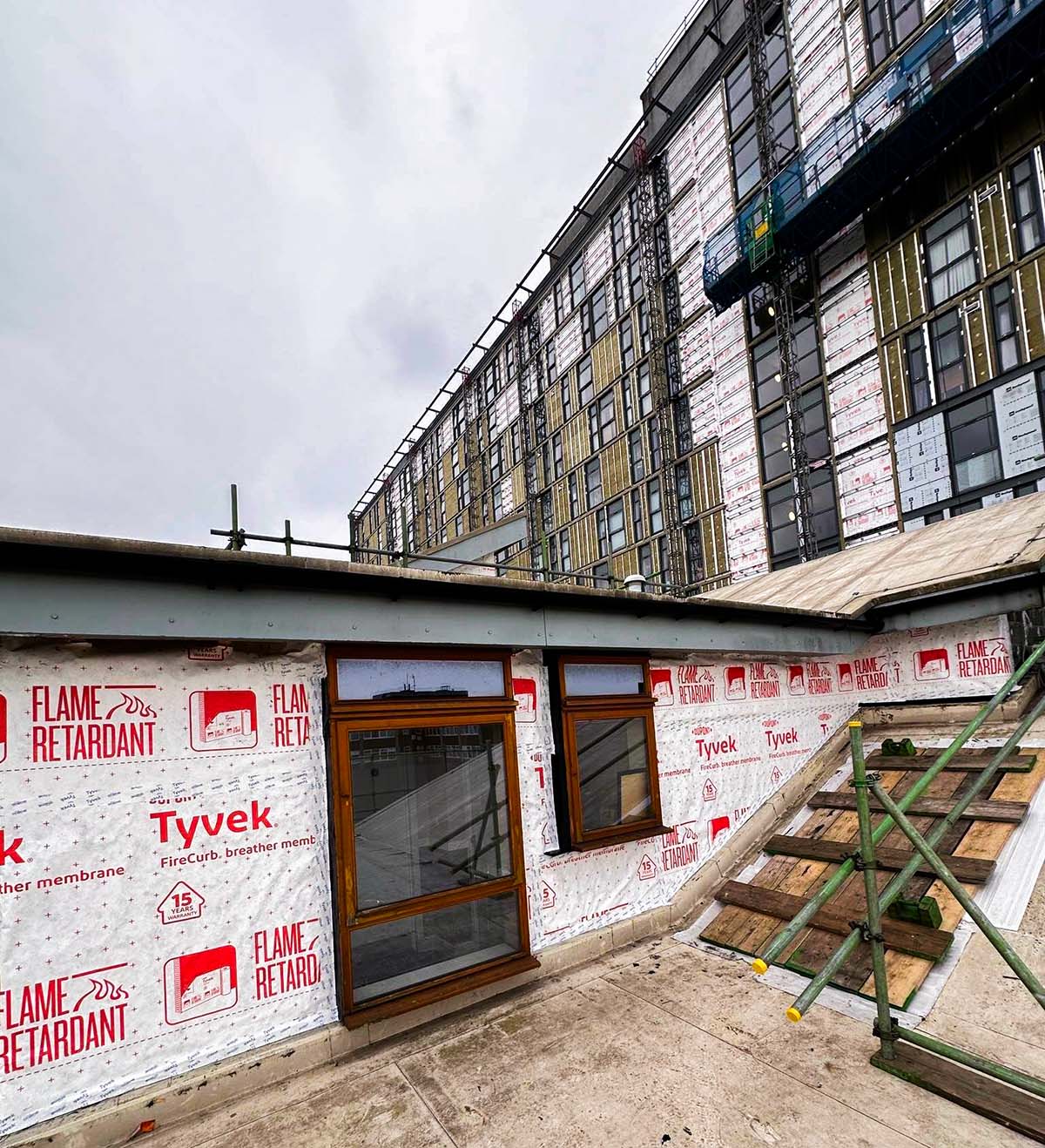
LCS can remove combustible cladding and install fire barriers in accordance with the Building Safety Act 2022.
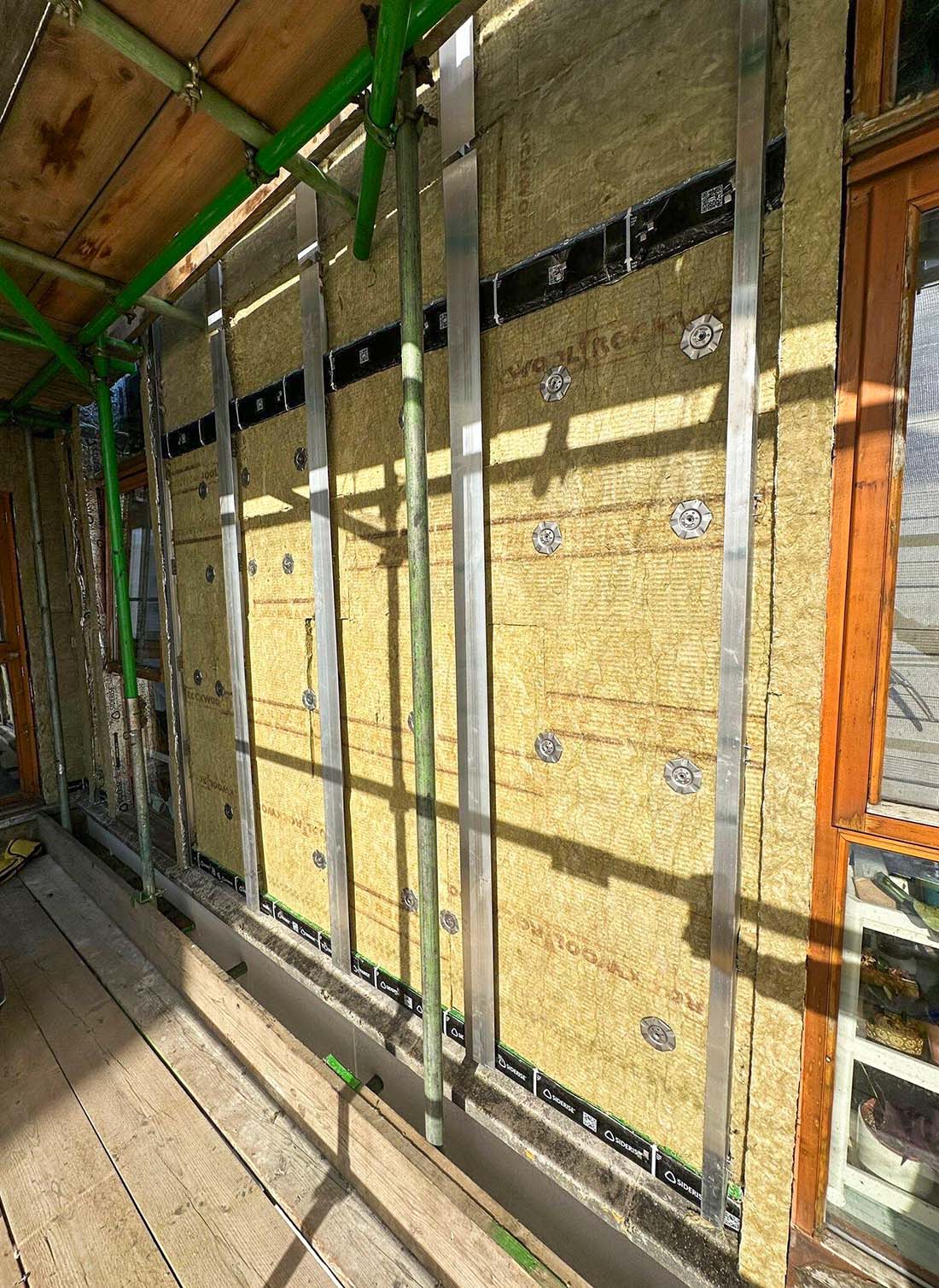
Developers or Government funds ensure remediation costs don’t fall on leaseholders
How are Existing Buildings Now Made Safe?
Buildings are made safe through comprehensive cladding remediation and enhanced fire safety measures. This involves assessing external wall systems using a Fire Risk Appraisal of External Walls (FRAEW), removing combustible cladding like ACM, and replacing it with non-combustible materials.
Additional steps can include installing fire barriers, sprinklers, and evacuation alert systems, especially in buildings over 11 metres. The UK Government’s Building Safety Act 2022 and Approved Document B enforce strict standards, while schemes like the Building Safety Fund and Cladding Safety Scheme ensure funding for remediation, protecting residents and restoring safety.
Government Response and Regulations
The UK Government introduced sweeping changes to building safety. The Building Safety Act 2022 set new standards, banning combustible cladding on new buildings over 11 metres and requiring thorough fire risk assessments. Approved Document B, part of the Building Regulations, now mandates stricter fire safety measures, like sprinklers and evacuation alert systems in high-rise flats. The Cladding Safety Scheme (CSS) supports remediation for buildings 11–18 metres (and over 18 metres in London), while the Building Safety Fund (BSF) Stage 2 funds fixes for private sector buildings over 18 metres. These programs ensure costs don’t fall on leaseholders, with developers or government funds covering remediation.
To assess fire risks, a Fire Risk Appraisal of External Walls (FRAEW), based on PAS 9980:2022, is required for funding applications. For home sales or mortgages, an EWS1 form may be requested by lenders to confirm a building’s safety, though it’s not legally required. These regulations have impacted the housing market, as lenders often hesitate to approve mortgages for properties without an EWS1 or proof of remediation, delaying sales.
However, solutions like the CSS and developer commitments are easing these barriers, and major lenders are now more open to financing properties in remediation schemes.
Progress and Reassurance
The latest Building Safety Remediation monthly data release (June 2025) shows steady progress: 34% of the 4,374 identified buildings over 11 metres with unsafe cladding have completed remediation, with many more in progress. While challenges remain, such as contractor shortages, the government’s £5.1 billion investment and developer commitments are driving change. For more details, visit the government’s cladding remediation guidance at https://www.gov.uk/guidance/cladding-remediation.
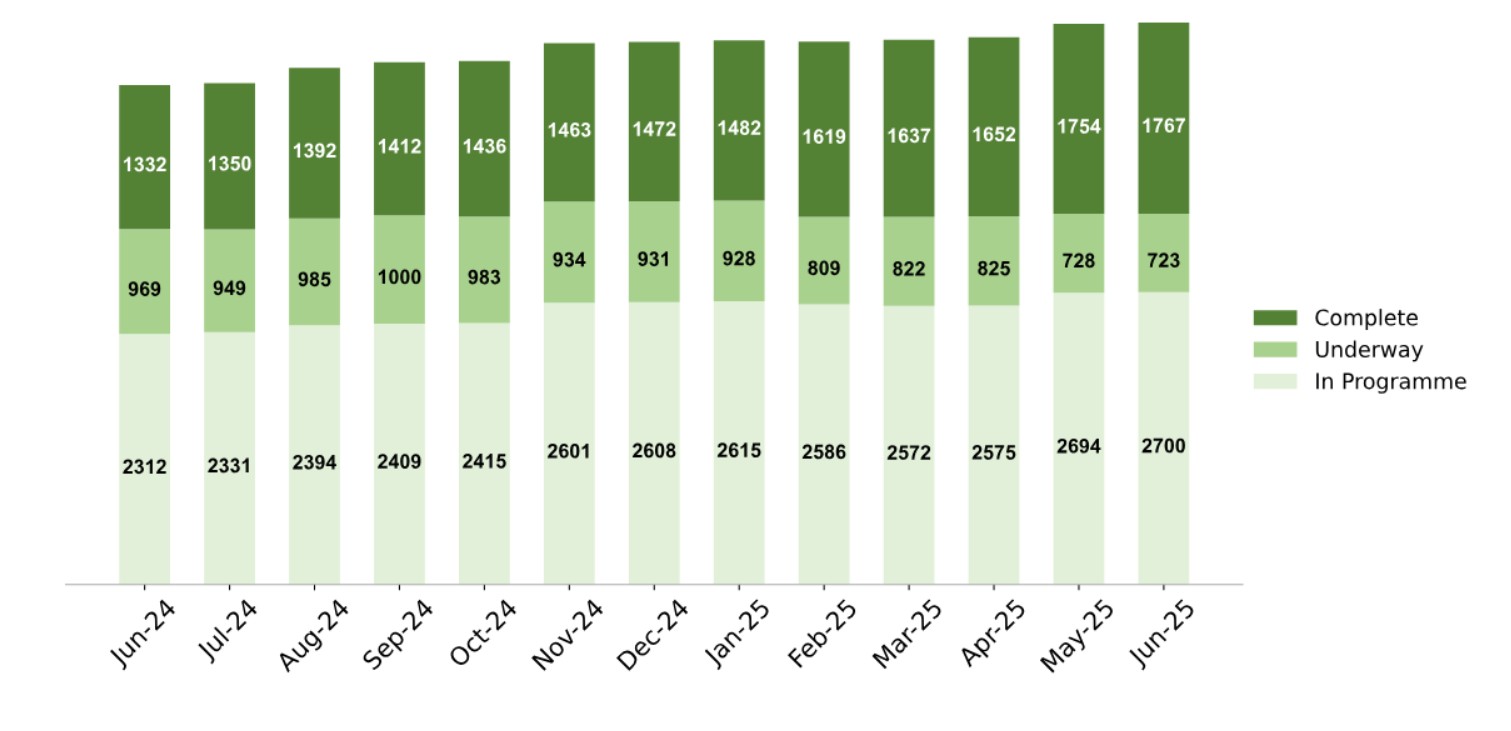
Of the 5,190 buildings identified with unsafe cladding, 2,490 (48%) have started or completed remediation works, of which 1,767 (34%) have completed remediation works. This includes remediation progress on high rise (18m+) and mid-rise (11-18m) buildings in height.
Solutions for a Safer Future
LCS Contractor will drive fire remediation by managing the entire process, from investigating existing external wall systems to part and full replacement of combustible cladding, like ACM, with non-combustible materials in buildings ensuring compliance with the updated building regulations.
We'll coordinate with all stakeholders from engineers, consultants, management companies and residents minimizing disruption and deliver safe, compliant buildings and peace of mind. Together, we can ensure your home is a safe place to live.
Contact LCS Contractors